Blog

19th
February.2026
Why Customized Furniture Is Important for Modern Interior Projects
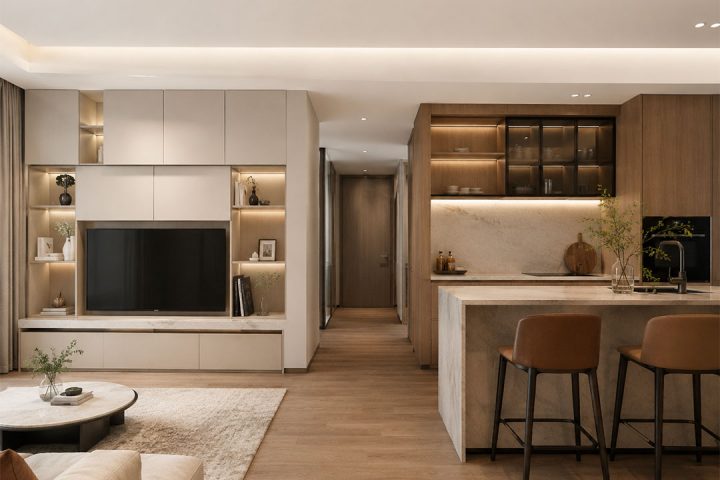
Modern interior projects are increasingly focused on space functionality, visual consistency and user experience. As a result, customized furniture has become an important part of hospitality, commercial and residential projects. Standard products may work for basic requirements, but many projects require furniture solutions adapted to specific layouts, dimensions and design concepts. Hotels are a strong example. Guest rooms often need furniture designed around exact room sizes, lighting layouts and circulation spaces. Public areas such as lobbies, lounges and restaurants also require furniture coordination that matches the overall interior concept. Customized furniture helps designers and project teams create more consistent space experiences. Commercial projects also rely heavily on customization. Office layouts, retail environments and public commercial spaces frequently require furniture adapted to functional requirements and brand identity. In many cases, standardized products cannot fully meet the project’s space planning or visual expectations. Residential projects are also changing. Apartments and villas increasingly focus on integrated interior solutions rather than individual furniture purchases. Customized wardrobes, kitchen systems, bathroom cabinets and built-in furniture are becoming common in modern residential developments. Another reason customization matters is material coordination. Projects often involve multiple materials such as wood veneer, metal, stone, fabric and glass. Customized furniture allows......
View More
19th
June.2025
Key Considerations When Sourcing Building Materials From China
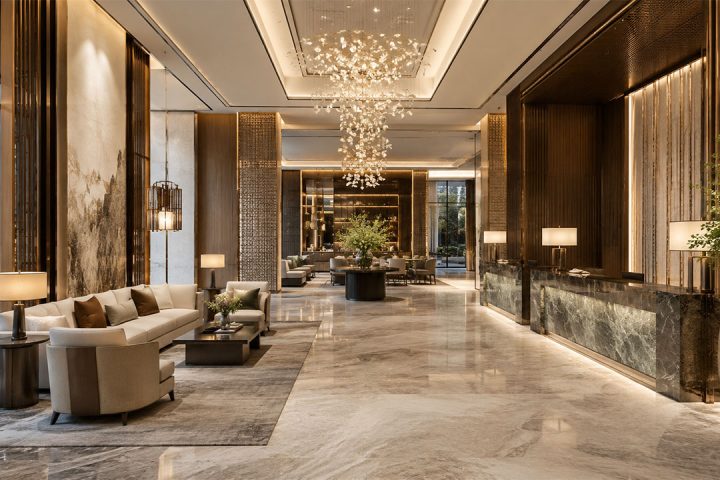
China remains one of the world’s largest sourcing markets for building materials, furniture and interior products. For overseas buyers working on hospitality, commercial or residential projects, China offers broad product categories, flexible manufacturing capacity and competitive supply resources. However, sourcing building materials successfully requires more than comparing prices. One of the first considerations is product coordination. Many interior projects involve different materials across multiple spaces. Stone surfaces, wall panels, lighting, furniture, bathroom products and decorative materials all need to work together visually and functionally. Without clear coordination, projects may face inconsistencies in color, texture, dimensions or installation details. This is especially important for hotel and commercial projects where space consistency directly affects the final presentation. Buyers should also pay attention to material specifications and application environments. For example, products used in hotel bathrooms, public areas or outdoor spaces often require different performance standards from residential applications. Moisture resistance, fire resistance, durability and maintenance requirements should all be reviewed before production. Another important factor is customization capability. Many overseas projects require products that differ from standard catalog items. This may include customized dimensions, finishes, packaging standards or installation structures. Before confirming orders, buyers should ensure suppliers clearly understand drawings, technical details......

View More
29th
May.2026
Trends in Commercial Interior Design and Material Coordination
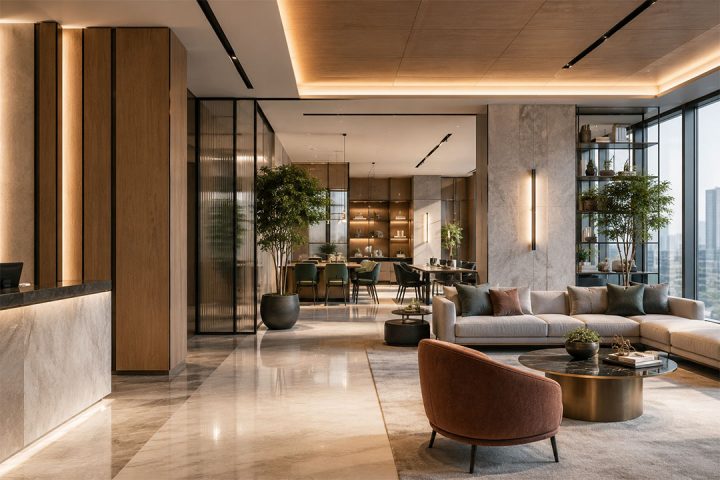
Commercial interior spaces are evolving rapidly. Offices, retail environments, leisure spaces and mixed-use projects now place greater emphasis on flexibility, atmosphere and coordinated material application. Modern commercial interiors are no longer designed only for functionality. Businesses increasingly focus on how spaces influence user experience, brand presentation and long-term operational efficiency. One major trend is integrated material coordination. Instead of selecting products separately, designers now consider how flooring, wall materials, lighting, furniture and decorative elements work together within the space. Consistent material transitions help create cleaner and more professional interior environments. Lighting also plays a more important role in commercial interiors today. Lighting design is now closely connected to spatial atmosphere and user experience. Different lighting temperatures, fixture styles and placement strategies are used to support retail presentation, office productivity and customer comfort. Flexible space planning is another growing trend. Commercial spaces increasingly require layouts that can adapt to changing business needs. Modular furniture systems, movable partitions and multi-functional areas are becoming more common in office and retail environments. Sustainability is also influencing material selection. Many commercial projects now prioritize materials with longer life cycles, easier maintenance and more environmentally conscious manufacturing processes. Buyers are paying closer attention to durability, maintenance......
View More
29th
April.2025
How One-Stop Project Supply Improves Efficiency for Hospitality Projects
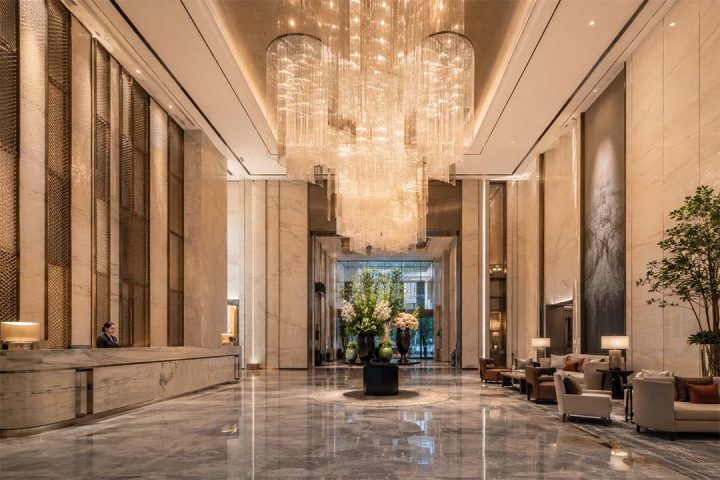
The hospitality industry depends heavily on coordination. From guest rooms and lobby areas to restaurants and public spaces, every hotel project involves multiple product categories, suppliers and delivery schedules. For overseas buyers sourcing from China, managing these elements separately can quickly become complicated. This is one reason why more hotel developers, procurement companies and project contractors are looking for one-stop project supply solutions. A one-stop project supply model allows buyers to coordinate furniture, building materials, lighting, fixtures and decorative products through a more organized purchasing process. Instead of communicating with multiple factories individually, clients can centralize sourcing and project coordination through one supply partner. For hospitality projects, consistency is extremely important. Hotels require products that match in style, finish, color tone and quality level across different areas of the property. When products come from unrelated suppliers without coordination, the final space can easily lose visual consistency. Integrated project supply helps reduce this risk. For example, guest room furniture, bathroom materials, lighting fixtures and decorative panels can be reviewed together before production starts. This allows the project team to confirm dimensions, finishes and material combinations earlier in the process. Another advantage is purchasing efficiency. Large hospitality projects often involve strict timelines.......
View More
12th
June.2026
How International Logistics Affects Interior Project Delivery
For overseas interior projects, product sourcing is only one part of the process. International logistics plays a major role in determining whether project delivery runs smoothly and efficiently. Hospitality, commercial and residential projects often involve multiple product categories, including furniture, lighting, building materials and decorative products. Coordinating shipment schedules for these items can become highly complex without proper planning. One important factor is packaging. Interior products vary greatly in size, weight and fragility. Furniture, lighting fixtures, glass products and decorative materials all require different packing methods to reduce transportation risk. Proper packaging helps reduce damage during loading, shipping and unloading stages. Container planning is another key area. For large projects, container space utilization directly affects shipping efficiency and transportation costs. Coordinated loading arrangements help organize products more effectively while reducing unnecessary freight expenses. Export documentation also affects delivery timelines. Commercial invoices, packing lists, certificates and customs-related documents must be prepared accurately to avoid shipment delays. Buyers working on international projects often prefer suppliers familiar with export procedures and overseas documentation requirements. Project timing is equally important. Interior projects frequently involve installation schedules linked to construction progress. Delays in product shipment may affect contractors, installation teams and overall project completion timelines.......
View More