
Why Customized Furniture Is Important for Modern Interior Projects
Modern interior projects are increasingly focused on space functionality, visual consistency and user experience. As a result, customized furniture has become an important part of hospitality, commercial and residential projects.
Standard products may work for basic requirements, but many projects require furniture solutions adapted to specific layouts, dimensions and design concepts.
Hotels are a strong example.
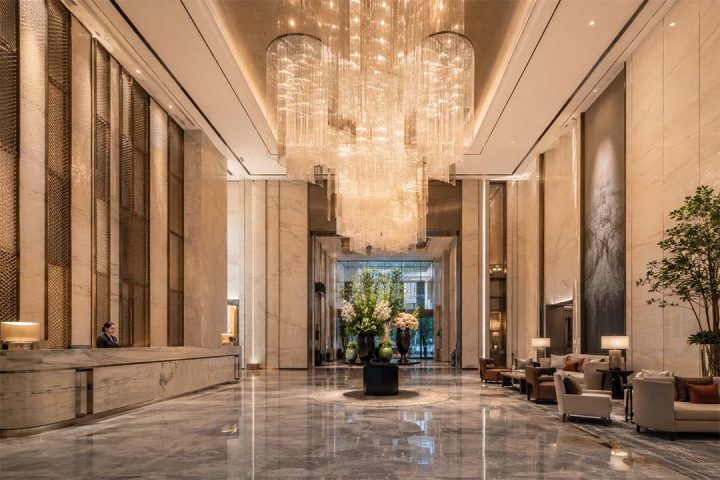
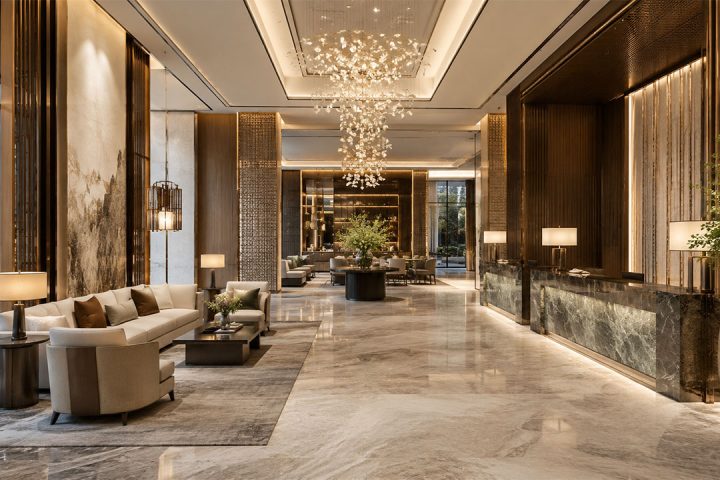
Guest rooms often need furniture designed around exact room sizes, lighting layouts and circulation spaces. Public areas such as lobbies, lounges and restaurants also require furniture coordination that matches the overall interior concept.
Customized furniture helps designers and project teams create more consistent space experiences.
Commercial projects also rely heavily on customization.
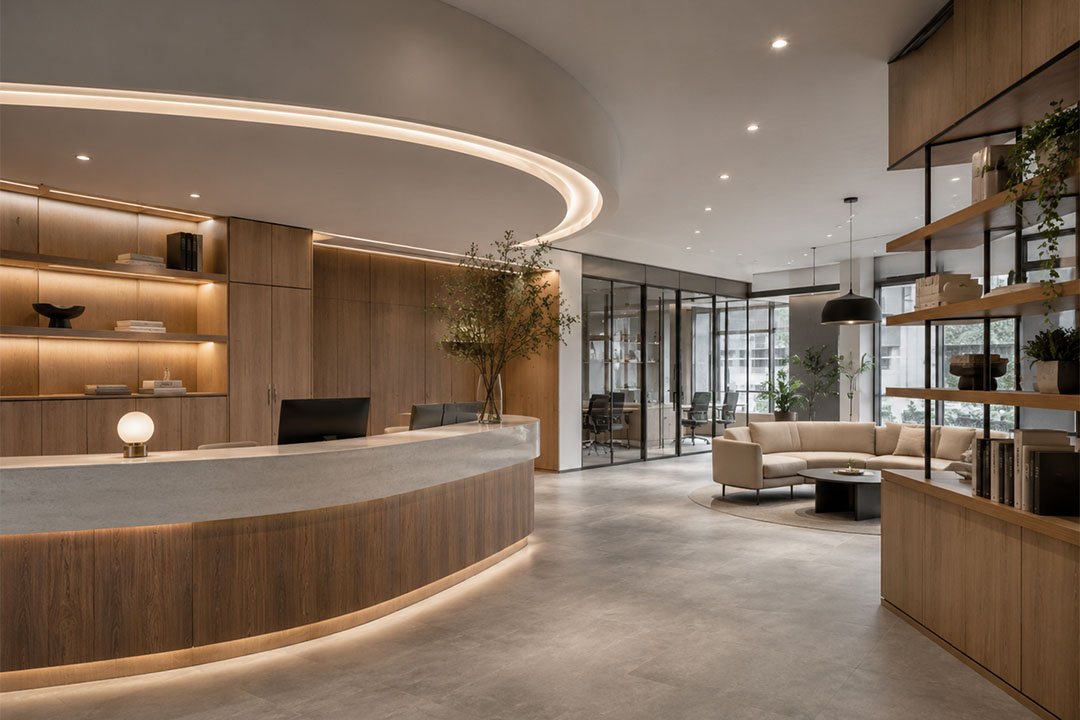
Office layouts, retail environments and public commercial spaces frequently require furniture adapted to functional requirements and brand identity. In many cases, standardized products cannot fully meet the project’s space planning or visual expectations.
Residential projects are also changing.
Apartments and villas increasingly focus on integrated interior solutions rather than individual furniture purchases. Customized wardrobes, kitchen systems, bathroom cabinets and built-in furniture are becoming common in modern residential developments.
Another reason customization matters is material coordination.
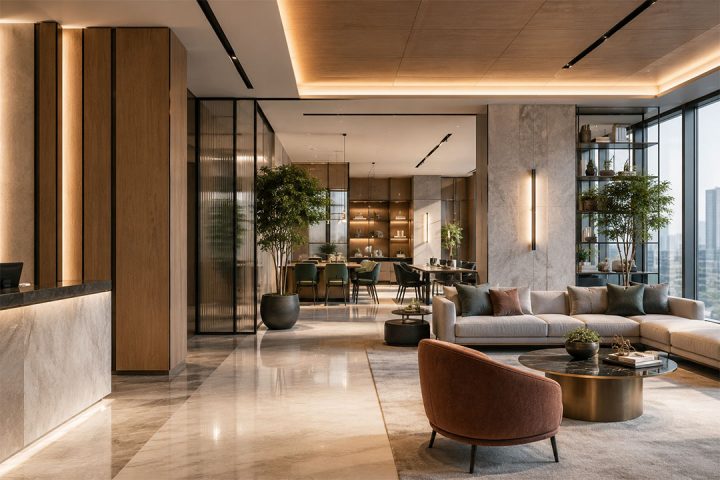
Projects often involve multiple materials such as wood veneer, metal, stone, fabric and glass. Customized furniture allows these materials to be coordinated more effectively with flooring, lighting and decorative elements throughout the space.

This creates stronger visual consistency across different project areas.
Functionality is equally important.
Customized furniture can improve storage efficiency, circulation planning and space utilization, especially in compact hospitality and residential layouts. For many projects, customization is not only about appearance but also about practical use.
Production coordination plays a major role in successful customization projects.
Before manufacturing starts, suppliers usually review dimensions, drawings, finishes, materials and installation conditions with clients. Sampling and technical confirmation are important steps that help reduce production errors and improve final delivery quality.
For overseas buyers, communication efficiency is critical during customized furniture projects.
Projects involving multiple customized items can become difficult to manage without organized coordination. Many procurement teams therefore prefer working with suppliers who can support product communication, sampling, production follow-up and export coordination throughout the process.
In recent years, interior design trends have also moved toward more integrated environments. Designers and developers increasingly expect furniture to function as part of a complete space system rather than isolated products.
This trend continues to increase demand for customized project furniture.
As hospitality, commercial and residential projects become more design-oriented, customized furniture will remain an important solution for creating functional, coordinated and project-specific interiors.