
Trends in Commercial Interior Design and Material Coordination
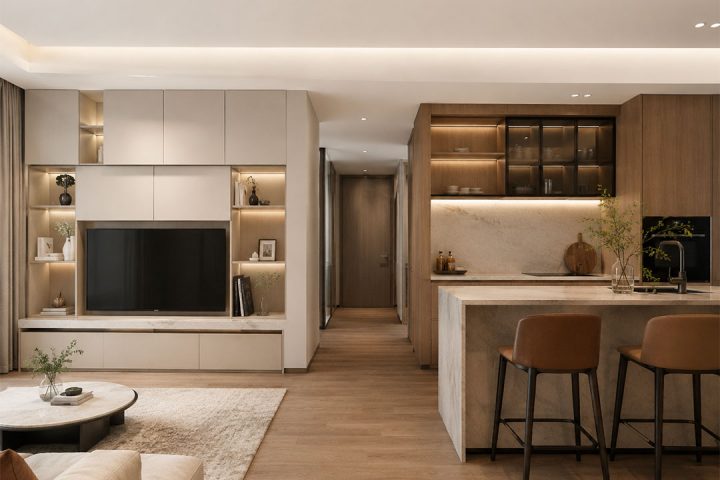
Commercial interior spaces are evolving rapidly. Offices, retail environments, leisure spaces and mixed-use projects now place greater emphasis on flexibility, atmosphere and coordinated material application.
Modern commercial interiors are no longer designed only for functionality. Businesses increasingly focus on how spaces influence user experience, brand presentation and long-term operational efficiency.
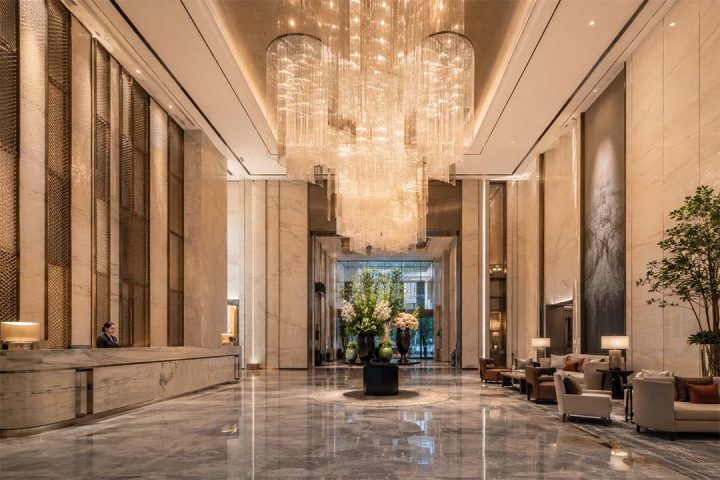
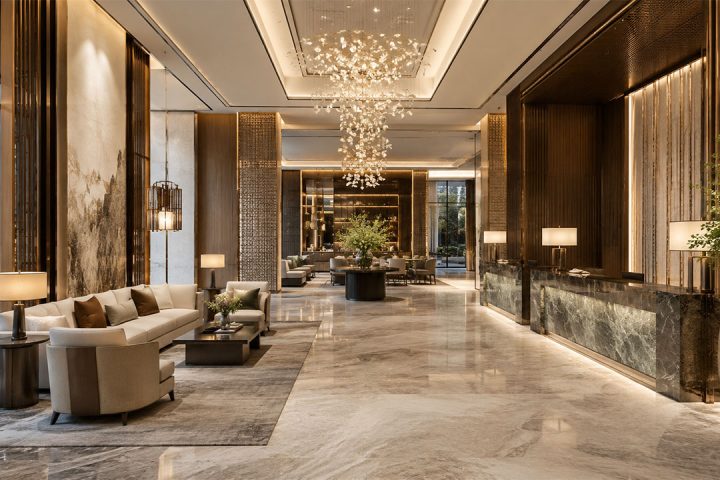
One major trend is integrated material coordination.
Instead of selecting products separately, designers now consider how flooring, wall materials, lighting, furniture and decorative elements work together within the space. Consistent material transitions help create cleaner and more professional interior environments.
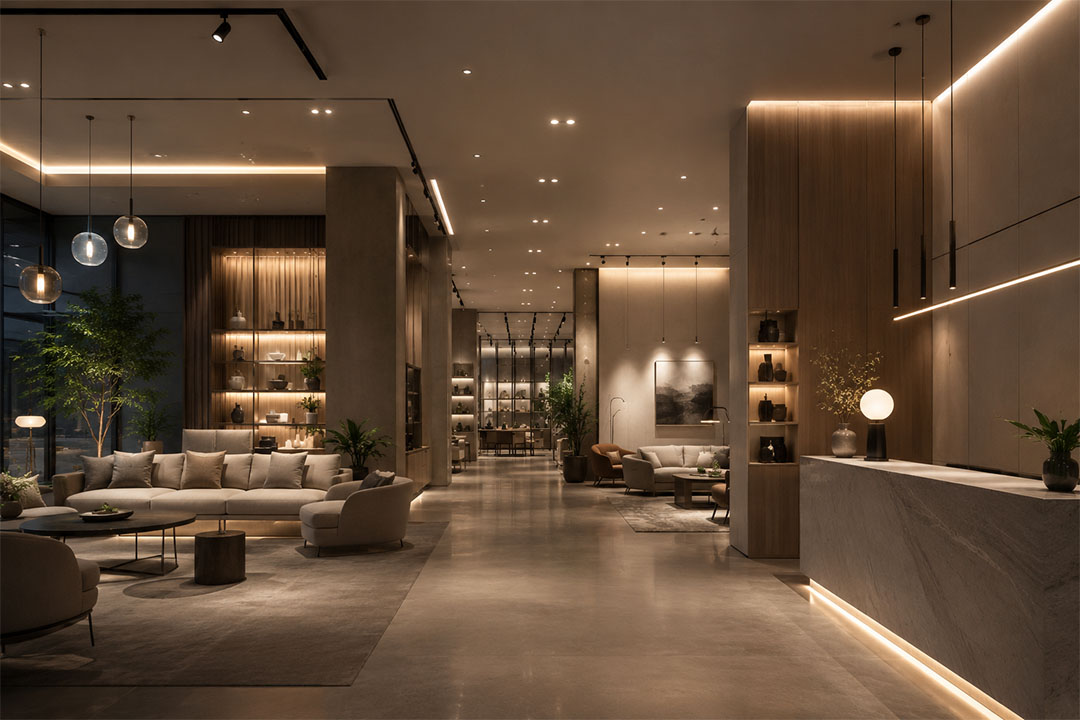
Lighting also plays a more important role in commercial interiors today.
Lighting design is now closely connected to spatial atmosphere and user experience. Different lighting temperatures, fixture styles and placement strategies are used to support retail presentation, office productivity and customer comfort.
Flexible space planning is another growing trend.
Commercial spaces increasingly require layouts that can adapt to changing business needs. Modular furniture systems, movable partitions and multi-functional areas are becoming more common in office and retail environments.
Sustainability is also influencing material selection.
Many commercial projects now prioritize materials with longer life cycles, easier maintenance and more environmentally conscious manufacturing processes. Buyers are paying closer attention to durability, maintenance requirements and overall lifecycle value.
At the same time, customization demand continues to increase.
Commercial projects often require customized furniture, decorative elements and material finishes to match brand identity or architectural concepts. This creates greater demand for suppliers capable of supporting project-specific customization.
Another important development is integrated sourcing.
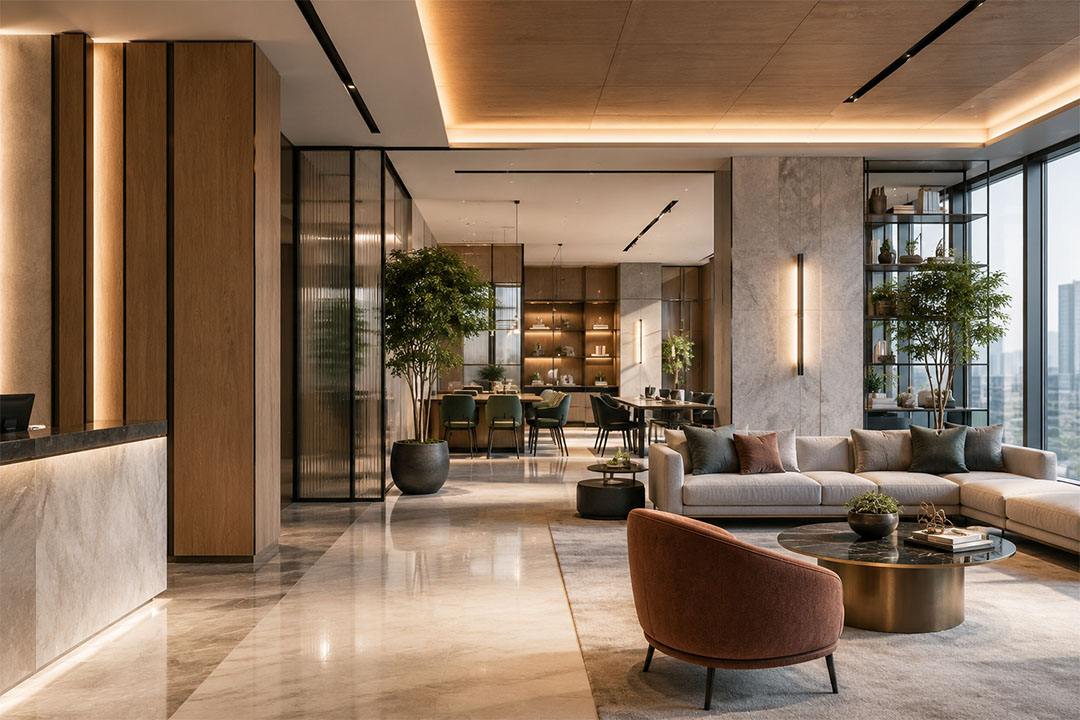
Commercial projects involve many product categories, including furniture, lighting, decorative materials and fixtures. Managing these separately can create communication challenges and scheduling risks during project execution.
Integrated project supply models help improve sourcing coordination and reduce repeated communication between suppliers and procurement teams.
International buyers are also becoming more focused on project execution efficiency.
Beyond product quality, clients increasingly evaluate suppliers based on communication speed, customization support, logistics coordination and export experience. Suppliers capable of supporting broader project coordination often provide stronger long-term value for commercial projects.
As commercial interior design continues to evolve, successful projects will depend increasingly on coordinated materials, integrated sourcing and practical project management support.